
A regulation ice hockey goal has a 6 × 4 ft opening
Regulation hockey goal dimensions are 6 ft wide by 4 ft high inside the posts. See NHL depth, metric conversions and buying-measurement pitfalls.
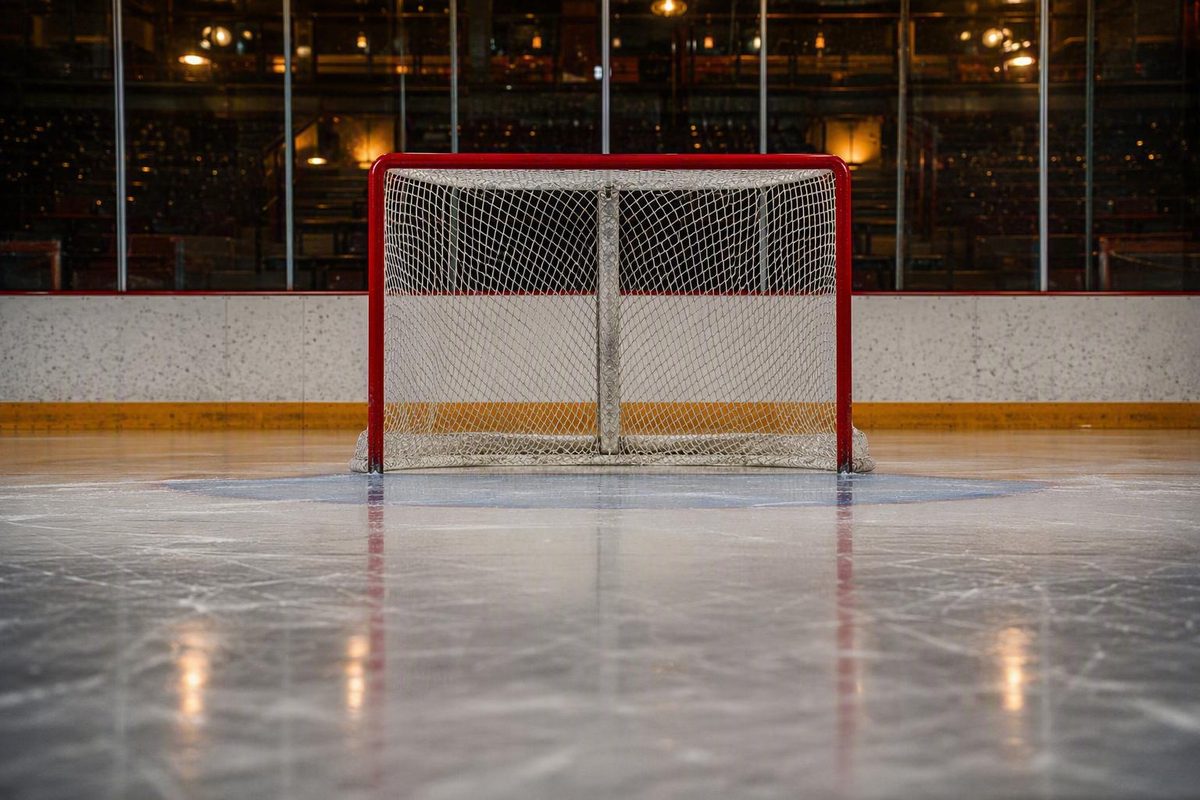
A regulation ice hockey goal has an inside opening 6 feet wide and 4 feet high (72 × 48 inches). The key word is inside: both the NHL and USA Hockey specify that the width is measured between the inner edges of the posts, not across the frame’s exterior (NHL Rule 2.1; USA Hockey Rule 105).
| Measurement | Imperial | Metric conversion |
|---|---|---|
| Inside width | 6 ft / 72 in | 1.8288 m / 182.88 cm |
| Height above the ice | 4 ft / 48 in | 1.2192 m / 121.92 cm |
| NHL frame depth | 40 in | 1.016 m / 101.6 cm |
| Nominal opening area | 24 sq ft | 2.23 m² |
Metric figures in the table are direct conversions, not separately rounded product dimensions. The opening area is simply 6 ft × 4 ft = 24 sq ft; it describes the rectangular plane between the posts, crossbar and ice, not the net’s three-dimensional volume.
How deep is an NHL hockey net?
The NHL’s approved-frame drawing gives the goal a 40-inch depth, alongside a 72-inch inside width and 48-inch inside height (NHL approved goal-frame diagram). That makes the familiar NHL shorthand 72 × 48 × 40 inches, ordered width × height × depth.
Depth needs more care than width and height. The 6 × 4 ft opening is stated in the playing rules, while the full rear-frame shape is defined by an approved design. A retail goal described only as “6 × 4” may therefore match the face opening without matching the NHL frame depth, tubing or rear supports.
What exactly is being measured?
Three measurements are often mixed together:
- Inside width: the clear 72-inch span between the inner sides of the two posts.
- Height: 48 inches from the ice surface to the top of the frame.
- Depth: the front-to-back extent of the approved frame, 40 inches in the NHL drawing.
The outside width is greater than 72 inches because the posts have thickness. For rule comparisons or shooting targets, use the inside opening. For transport, storage or fitting a goal into a practice area, ask for the product’s maximum exterior width, height and depth.
The frame specification is not just a rectangle with loose netting. NHL Rule 2 says the two vertical posts are joined by a crossbar, with the posts and crossbar painted red and the other exterior surfaces white. USA Hockey likewise requires a red frame, white supporting structure and a white net attached so the puck cannot pass completely through it (USA Hockey Rule 105).
Goal size is separate from rink placement
The goal’s dimensions do not tell you where it sits. Under the cited NHL rules, the goal line is 11 feet from the end boards, and regulation posts and nets are set on that line so they remain stationary during play (NHL Rule 1.5). USA Hockey requires the goal to be centered on the goal line and, where applicable, anchored so the posts can dislodge under a reasonable collision force.
That distinction matters when laying out a practice surface: buying a 6 × 4 ft goal does not establish the goal-line offset, crease or clearance behind the net. Those belong to the rink specification; see the full hockey rink dimensions and markings.
The practical check
For a regulation-size ice hockey target, verify 72 inches inside the posts and 48 inches from the ice to the crossbar. If NHL-style frame geometry matters, also verify the 40-inch depth. Do not rely on a “6 × 4” label alone when exterior footprint, anchoring or league approval affects the intended use.